Construction Nails Price: What Drives Cost and Value?
Having spent over a decade in the industrial equipment and construction supply space, I’ve seen construction nails evolve in subtle but meaningful ways—and with that, their pricing structures too. Honestly, when you first think “construction nails,” you might just picture a bunch of hammers and wood. But there’s more to it than meets the eye.
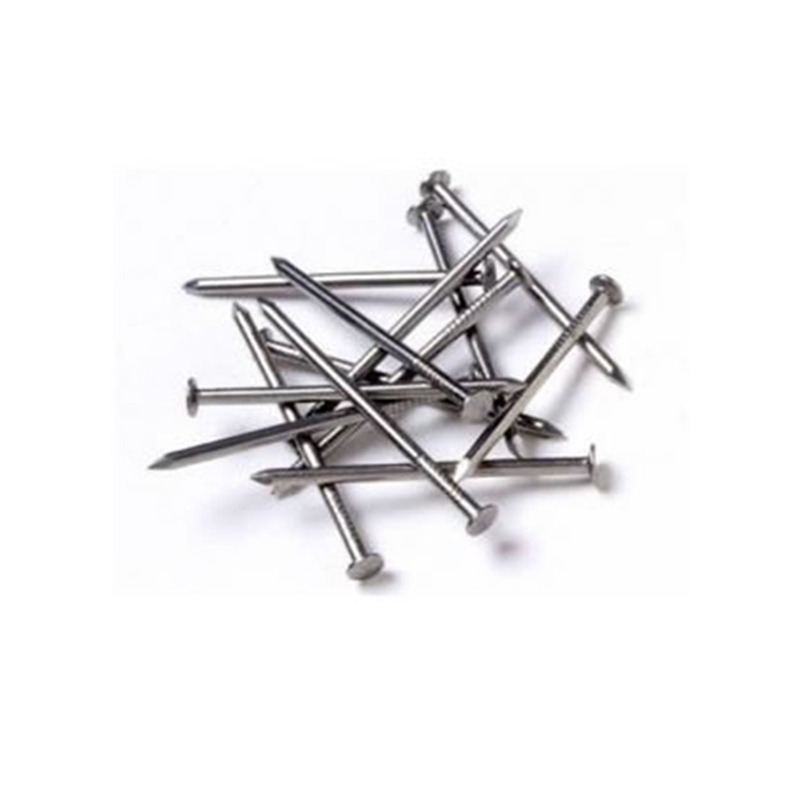
Price variations in construction nails aren’t random; they reflect differences in material quality, manufacturing processes, coatings, and even the intended use. For example, a box of common bright nails will cost less than specialized galvanized or stainless steel nails designed to withstand harsh weather or specific building codes.
Oddly enough, the kind of nail you choose can save you headaches years down the line. I recall an old contractor friend who swore by premium galvanized nails—even telling me once, “Cheap nails can cost you double in repairs.” That stuck with me.
Now, when comparing options, it's helpful to consider specs like nail diameter, length, coating type, and tensile strength. Here’s a quick rundown of typical construction nail specs to give a snapshot of what you might encounter in the market:
| Specification |
Common Ranges |
Notes |
| Length |
1” to 4” (25mm - 100mm) |
Longer nails used for framing, shorter for trim |
| Diameter |
#3 to #16 (approx. 2.5mm to 4.1mm) |
Thicker nails provide greater shear strength |
| Material |
Steel, Stainless Steel, Copper |
Stainless or copper resist corrosion in exterior uses |
| Coating |
Bright, Galvanized, Vinyl coated |
Coatings improve rust resistance and grip |
| Head Type |
Flat, Cupped, Round |
Affects holding power and ease of use |
When it comes to pricing, in real terms, raw steel prices drive much of the cost. Global supply fluctuations affect nail prices almost as much as manufacturing complexity. Plus, there's packaging and minimum order quantities—oddly enough, buying bulk can drastically reduce your per-nail price, but only if you actually have room to store a few boxes.
If you’re scouting suppliers (and who isn’t?), I usually recommend comparing not just the prices but also what comes with those prices. Do vendors offer consistent quality? Are delivery times reliable? How’s customer service? To help out, here’s a side-by-side look at three prominent nail vendors I’ve worked with or vetted:
| Vendor |
Price per 1000 nails |
Range of Nail Types |
Average Delivery Time |
Reliability & Support |
| HT Mesh Machines |
$15 - $30 |
Bright, Galvanized, Stainless |
3 - 5 days |
Excellent, responsive |
| BuildPro Supply |
$18 - $35 |
Bright, Vinyl coated |
5 - 7 days |
Good, medium response |
| SteelWorks Direct |
$20 - $40 |
Galvanized, Stainless |
2 - 4 days |
Reliable, premium support |
Something I often notice among folks in the field is that even with a straightforward product like nails, customer support and reliability often make all the difference. For instance, once I had a job nearly delayed because a nail supplier misquoted the galvanized nail thickness. It cost a day of labor to resolve — not exactly something you want when you’re on a tight schedule.
To wrap this up, if you want to dive deeper into sourcing affordable, top-quality nails, I’d recommend checking out HT Mesh Machines. They consistently strike a solid balance between cost and quality, which is rare in this niche.
And hey, whether you’re nailing together a deck or framing a house, sometimes it’s the little stuff—literally, those tiny fasteners—that keep the whole structure strong over time.
In the end, the price of nails is about more than just the sticker—it's about trust, durability, and peace of mind on the jobsite.
References:
- Industry pricing reports on steel and construction fasteners, 2023
- Personal field experience and contractor interviews, 2010-2023
- Material specifications from ASTM standards on nails